

Introduction: Why Natural Beekeeping Matters More Than Ever
Natural beekeeping is not a trend — it’s a response to declining bee populations, chemical resistance, and environmental damage. More beekeepers are turning to chemical-free methods to raise stronger, more resilient colonies while protecting honey purity and ecosystem health.
In this guide, you’ll learn practical, proven natural beekeeping methods that work for both beginners and experienced beekeepers.
What Is Natural Beekeeping?
Natural beekeeping focuses on:
- Minimal chemical use
- Supporting bees’ natural behavior
- Strengthening colonies through management, not medication
- Producing clean, residue-free honey
⚠️ Natural does NOT mean “doing nothing” — it means working with bees, not against them.
| Focus Area | Natural Method | Chemical Method |
|---|---|---|
| Varroa Control | ✅ Organic acids & mechanical bars | ❌ Synthetic miticides (Fluvalinate) |
| Honey Quality | ✅ 100% Pure & residue-free | ❌ Potential for chemical traces |
| Bee Immunity | ✅ Naturally selected resistance | ❌ Weakened by dependency |
| Wax Health | ✅ Clean wax foundation | ❌ Toxin buildup in combs |
| Long-term Cost | ✅ Sustainable & affordable | ❌ Expensive recurring treatments |

Ready to Start Beekeeping?
Get the Complete Beginner’s Essentials Kit – including a bee suit, smoker, and tools. Everything you need for your first hive!
View Starter Kit on Amazon →🐝 Core Principles of Natural Beekeeping
1. Strong Genetics First
Healthy bees start with:
- Locally adapted queens
- Survivor stock (Varroa-tolerant lines)
- Avoiding constant re-queening from weak genetics
📌 Pro tip: Buy queens from local breeders whenever possible.
2. Hive Placement & Environment
- Morning sun exposure
- Dry ground, good airflow
- Away from pesticides and monoculture crops
Healthy surroundings = fewer problems inside the hive.
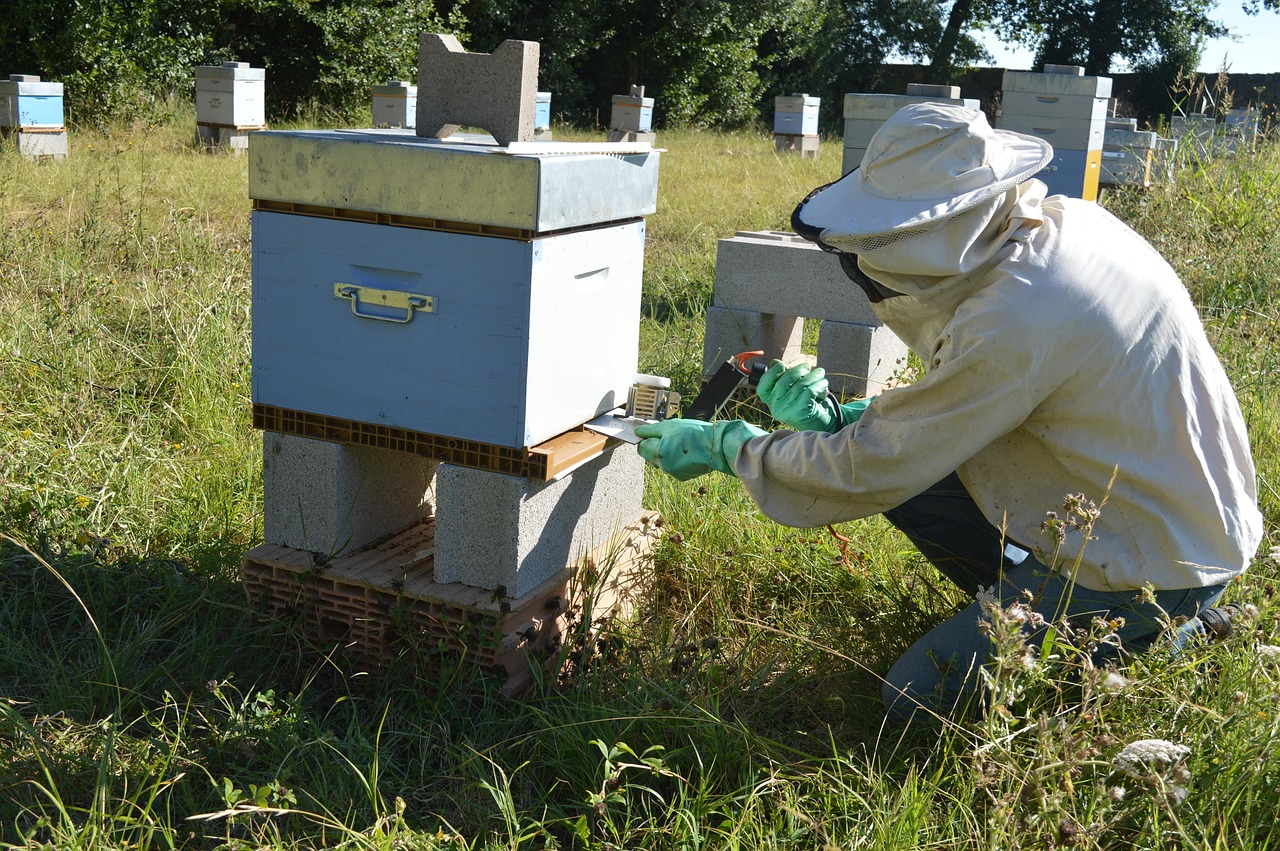
🐜 Natural Varroa Mite Control Methods
✔️ Mechanical Control
- Screened bottom boards
- Drone brood removal
- Powdered sugar dusting
✔️ Organic Treatments
- Oxalic acid (vapor or drip)
- Formic acid pads
- Thymol-based treatments
These methods are approved in organic beekeeping when used correctly.

Bees raised with minimal chemical treatments often develop stronger immune responses and better long-term resistance to Varroa mites.
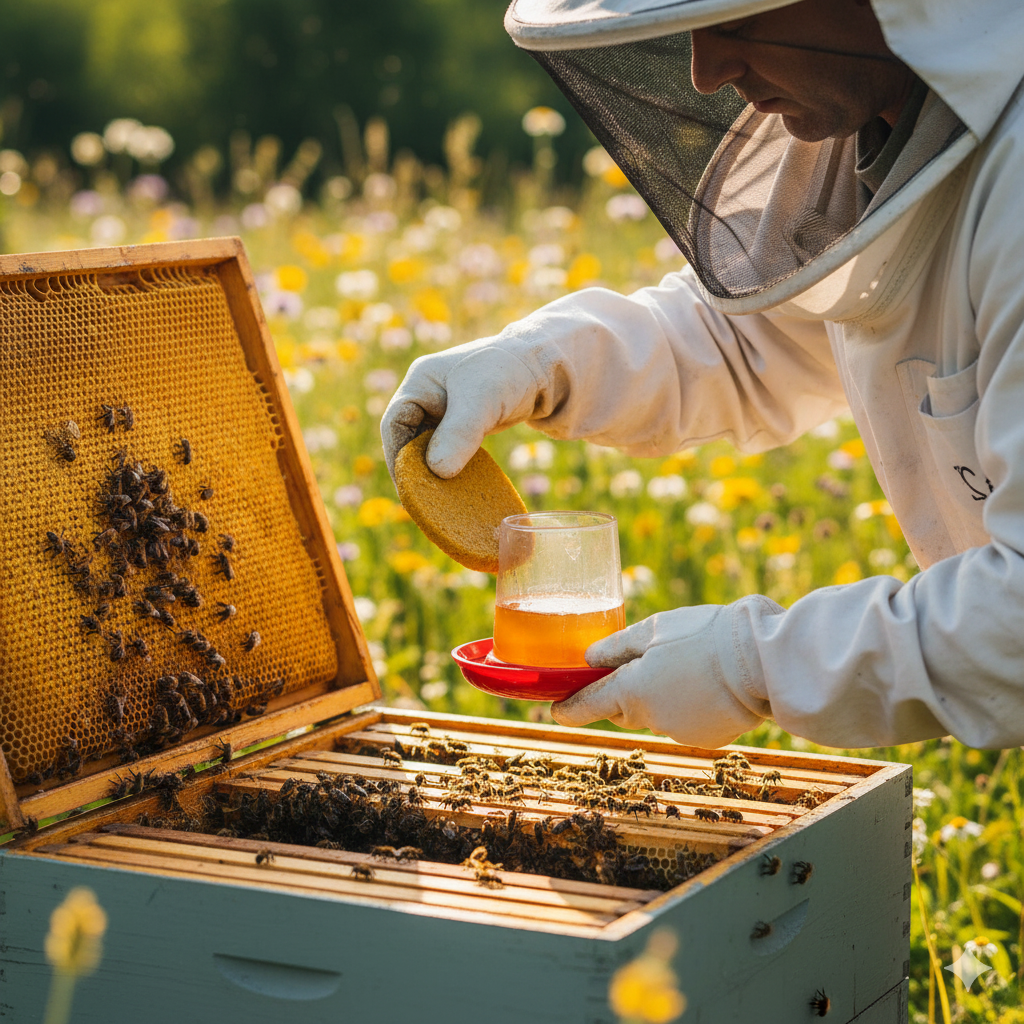
🍯 Natural Feeding Methods for Bees
When to Feed Naturally:
- New colonies
- Drought periods
- Late fall preparation
Best Natural Options:
- 1:1 sugar syrup (spring)
- 2:1 sugar syrup (fall)
- Homemade pollen patties
- Fermented pollen substitute (advanced)
❌ Avoid artificial additives and dyed syrups.
🌿 Essential Oils in Natural Beekeeping
Commonly used oils:
- Thyme (Varroa support)
- Lemongrass (attractant)
- Spearmint (gut health)
⚠️ Always use very low concentrations.
🐝 Related Articles
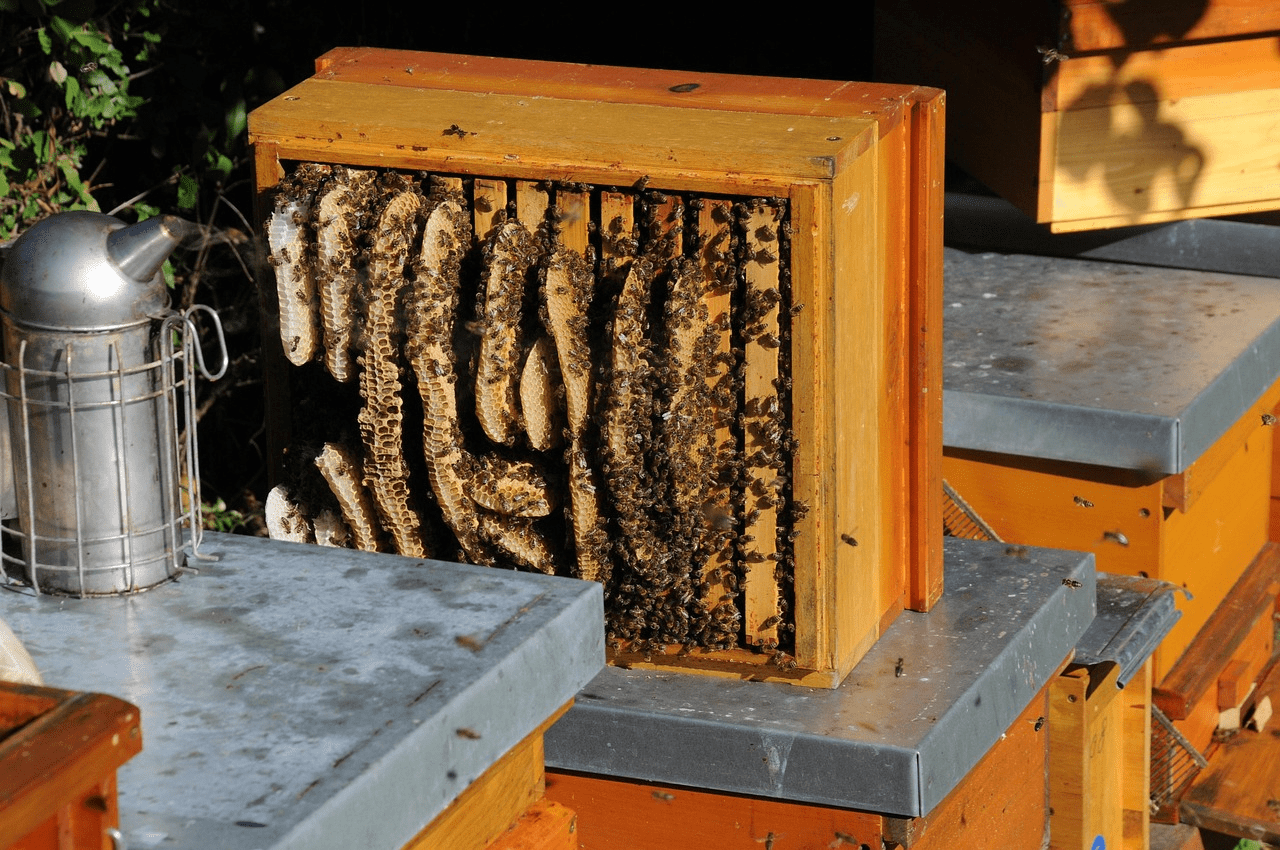
🏡 Hive Management the Natural Way
Less Stress, Better Bees:
- Fewer inspections
- Gentle handling
- Avoid constant frame rearranging
Let Bees Build:
- Foundationless frames
- Natural comb development
- Better brood patterns
❄️ Natural Winter Preparation
- Leave sufficient honey (don’t over-harvest)
- Insulation instead of medication
- Upper ventilation to control moisture
Healthy bees overwinter better than heavily treated bees.
Frequently Asked Questions About Natural Beekeeping
What is natural beekeeping?
Natural beekeeping focuses on managing honeybee colonies with minimal chemical treatments, supporting bees’ natural behavior, and promoting long-term colony health.
Can you keep bees without chemicals?
Yes. Many beekeepers successfully use organic and mechanical methods such as screened bottom boards, brood breaks, and oxalic acid treatments instead of synthetic chemicals.
Is natural beekeeping safe for honey production?
Absolutely. Chemical-free hive management produces cleaner, residue-free honey that is safer for both bees and consumers.
How do natural beekeepers control Varroa mites?
Common natural Varroa control methods include drone brood removal, powdered sugar dusting, oxalic acid vaporization, and using mite-resistant bee genetics.
Is natural beekeeping suitable for beginners?
Yes. Beginners can practice natural beekeeping by learning proper hive management, seasonal care, and early problem detection without relying on harsh treatments.
Conclusion: A Healthier Future Through Natural Beekeeping
Natural beekeeping methods offer a sustainable, responsible approach to raising healthy honeybee colonies without relying on harsh chemicals. By focusing on strong genetics, thoughtful hive management, organic Varroa control, and natural feeding practices, beekeepers can support bees in the way nature intended.
Whether you are a beginner or an experienced beekeeper, adopting chemical-free practices not only improves colony survival but also produces cleaner honey and strengthens local ecosystems.
Healthy bees don’t come from chemicals — they come from knowledge, balance, and respect for nature.
🐝 A Century of Beekeeping Wisdom
"Beekeeping is more than a hobby for me—it’s a family legacy. From my great-grandfather to my brother and me, we’ve managed our apiaries in the rugged landscapes of Herzegovina for four generations. Today, we care for over 300 hives, blending century-old traditions with modern techniques. Every tip I share comes directly from our hives to your screen."

